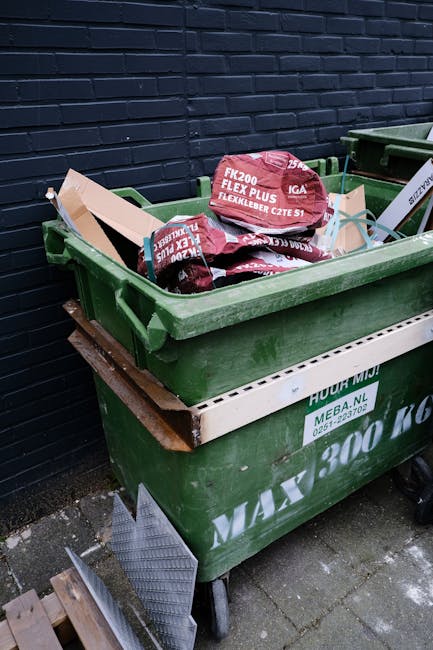
Hoxton Market rubbish collection guide for locals
If you live, work, or trade around Hoxton Market, rubbish has a way of turning up at the worst possible moment. A few boxes after a flat clear-out. Broken furniture left in a hallway. Packaging from a small business delivery run. Or the classic one: a pile of mixed waste that starts as "I'll sort it tomorrow" and quietly becomes a nuisance by the end of the week.
This Hoxton Market rubbish collection guide for locals is here to make the whole thing clearer. You'll find a straightforward explanation of how collection works, what to do before booking, how to stay on the right side of local rules, and when a professional clearance service makes life easier. Nothing overcomplicated. Just practical guidance for real people dealing with real mess.
There's a lot of value in getting waste handled properly. It keeps your home, shopfront, or shared building tidier. It also reduces the chance of fly-tipping, blocked access, awkward neighbour complaints, or that lingering smell that seems to appear from nowhere on a warm afternoon. Let's get into it.
Table of Contents
- Why Hoxton Market rubbish collection guide for locals Matters
- How Hoxton Market rubbish collection guide for locals Works
- Key Benefits and Practical Advantages
- Who This Is For and When It Makes Sense
- Step-by-Step Guidance
- Expert Tips for Better Results
- Common Mistakes to Avoid
- Tools, Resources and Recommendations
- Law, Compliance, Standards, or Best Practice
- Options, Methods, or Comparison Table
- Case Study or Real-World Example
- Practical Checklist
- Conclusion
- Frequently Asked Questions
Why Hoxton Market rubbish collection guide for locals Matters
Hoxton Market is busy, lived-in, and constantly changing. That's part of the charm. But busy places create waste in different ways: residential rubbish, retail packaging, takeaway packaging, end-of-tenancy clutter, furniture disposal, and the odd pile of builder's rubble after a quick refurb. If waste hangs around too long, it can affect access, hygiene, and the look of the whole street.
For locals, rubbish collection matters for more than appearance. It matters because narrow pavements, shared entrances, and limited loading space can make even a small clearance job awkward. It also matters because the wrong disposal habit can spread problems quickly. One dumped mattress becomes two. One overflowing bag gets ripped open. And before long, everyone's dealing with the fallout.
There's also a simple truth here: when rubbish is dealt with promptly, the rest of daily life feels easier. You can move in a hallway without shuffling sideways. You can open a shop without stepping over packaging. You can actually use a garage, loft, or spare room again. It sounds basic, because it is. But basic done well is often what people need most.
If you're comparing disposal options, it can help to look at broader services too, especially if your waste is mixed or bulky. Pages like waste removal, home clearance, and flat clearance are useful starting points when the job is bigger than a few bin bags.
How Hoxton Market rubbish collection guide for locals Works
At a practical level, rubbish collection is about matching the right waste to the right method. That means thinking about volume, weight, type of material, timing, access, and whether anything needs to be separated before it's taken away. Not every pile of rubbish is the same, and that's where people often get caught out.
For example, a few black sacks of household waste are very different from a load of broken shelving, shop packaging, and a damaged chair. The first might be simple and quick. The second may need a more organised clearance approach, especially if items are awkward to carry or there is limited space outside the building.
In general, the process is straightforward:
- Identify the waste type - household rubbish, furniture, garden waste, builders' waste, office items, or mixed loads.
- Estimate the volume - a small pile is easier to handle than a full room or a van load.
- Check access - stairs, lifts, loading bays, narrow entrances, and parking all affect the job.
- Decide what should stay or go - some items may be reusable, recyclable, or sensitive in nature.
- Choose a collection method - DIY trip, council collection where available, or a professional clearance service.
- Prepare the waste for collection - sort, bag, label, or move items to an agreed point if required.
That's the skeleton of it. The details come next. A lot of people rush the sorting stage and regret it later. Mixed waste is slower, messier, and sometimes more expensive to deal with. Bit of a pain, honestly, but avoidable.
For heavier or more awkward loads, specialist pages such as furniture disposal and garage clearance may be more relevant than a general waste job.
Key Benefits and Practical Advantages
Done properly, rubbish collection around Hoxton Market is about much more than "getting rid of stuff". The benefits stack up quickly.
- Cleaner living and working space - fewer trip hazards, fewer smells, less clutter.
- Better use of limited space - especially in flats, shared buildings, and compact shops.
- Less stress - a tidy space makes decisions easier. Strange, but true.
- Reduced risk of complaints - important in dense neighbourhoods where rubbish is visible.
- Improved presentation - useful for landlords, tenants, traders, and anyone preparing for guests or clients.
- More responsible disposal - the right service can separate reusable items and recyclable materials.
There's also the time factor. A half-done waste job can drag on for days, especially if you're waiting for a free evening, a borrowed car, or someone to help with lifting. A structured collection plan cuts that down a lot.
For households, this often means reclaiming a room that has become the "temporary storage zone" for everything no one wants to admit is theirs. For businesses, it can mean restoring floor space and keeping operations tidy without interrupting the day. And yes, that matters more than people think.
Who This Is For and When It Makes Sense
This guide is for locals who need a realistic way to deal with rubbish in and around Hoxton Market without overthinking every bag and box. If that sounds like you, you're in the right place.
It makes sense if you are:
- clearing out a flat or small house;
- disposing of old furniture, appliances, or mixed household waste;
- preparing a rental property between tenancies;
- running a shop, studio, cafe, or office with regular waste pressure;
- dealing with post-refurbishment mess or packaging;
- sorting a loft, garage, basement, or storage area that has filled up over time.
It also makes sense when you need the job done with a bit more care than a standard bin collection offers. Shared entrances, busy streets, and time-sensitive jobs often call for a more direct solution. Truth be told, if you've ever tried to get a sofa down narrow stairs on a rainy evening, you'll know why people choose help.
For commercial spaces, business waste removal and office clearance are especially relevant when desks, packaging, or archive clutter are part of the problem.
Step-by-Step Guidance
If you want a smooth rubbish collection, follow a simple sequence rather than doing everything at once. That keeps the job under control and makes it easier to decide what help you actually need.
1. Walk through the space slowly
Start with one room, one corner, or one category of waste. Don't try to judge the whole property in a glance. You'll miss things. A slow walk-through helps you notice what is bulky, what is recyclable, and what might need special handling.
2. Separate the obvious items
Put furniture, cardboard, general rubbish, and any sharp or heavy items into different groups. Even basic sorting makes collection easier. It also helps you avoid paying for someone to spend time doing simple sorting on arrival.
3. Check what can be reused or recycled
Some items still have life in them. A sturdy table, a working chair, or usable storage units may be suitable for reuse if they're in decent condition. Recyclable packaging should be kept separate where possible. The less mixed the load, the better.
4. Measure or estimate the load
You do not need to be exact. A rough idea is enough. Ask yourself: is this a handful of bags, a small room, or a van's worth? That one decision shapes the whole plan.
5. Think about access and timing
Access can change everything. Is there a lift? Are there stairs? Is parking tight at certain hours? Can the waste be moved during a quieter period? A collection that looks simple on paper can become tricky if the street is packed at lunchtime.
6. Choose the right disposal route
For some people, a council collection or personal trip may be enough. For others, a professional clearance is the quicker and safer choice. If the load is bulky, mixed, or time-sensitive, a dedicated waste service is usually the calmer option.
7. Prepare the area before collection day
Move items to a sensible staging point if you can. Clear a path. Keep sharps, liquids, and personal paperwork separate. If your rubbish is in a building with shared access, let people know what's happening. Small step, big difference.
Expert Tips for Better Results
After enough clearance jobs, patterns start to show. The smoother jobs are rarely the ones that begin with "we'll just see what happens". They're the ones where someone has spent ten minutes organising the waste first.
Tip 1: Don't mix everything together. It's tempting, especially when you're in a hurry. But mixed waste is slower to handle and more difficult to assess. Separate what you can before the collection date.
Tip 2: Keep valuables and paperwork out of the clearing pile. Sounds obvious, but it happens all the time. Old letters, keys, small electronics, cash tins, and paperwork can disappear into "rubbish" if no one checks carefully.
Tip 3: Take photos before you start. This is especially useful for landlords, property managers, and traders. A few quick photos can help you remember what was there and what has already been moved.
Tip 4: Avoid overfilling bags. Heavy bags split. Split bags make a mess. A mess makes everyone grumpy, and nobody needs that at 8 a.m.
Tip 5: If it smells, deal with it sooner. Food waste, wet cardboard, and damaged soft furnishings can get unpleasant fast. The earlier you clear them, the easier the job.
Tip 6: Be realistic about lifting. A wardrobe or fridge is not "just one item" if it has to be carried down stairs. That's where planning matters.
Where larger items are involved, it can be worth looking at house clearance or loft clearance rather than treating everything as ordinary rubbish.
Common Mistakes to Avoid
A lot of waste jobs become harder because of a few very common errors. None of them are dramatic on their own, but together they create delays, confusion, and extra cost.
- Leaving it until the last minute - this is the big one. If you wait too long, options shrink fast.
- Assuming everything can be dumped together - different materials often need different handling.
- Forgetting access issues - a collection plan needs to fit the building, not just the waste.
- Not checking what should be kept - one useful item can accidentally disappear.
- Ignoring recycling opportunities - recyclable material mixed into general waste is a missed opportunity.
- Choosing the cheapest option without checking the service scope - a cheap job that misses half the pile isn't really cheap.
Another quiet mistake is not thinking about the space after clearance. People often focus on getting rubbish out, then realise the cleared area still needs a quick clean or a basic rearrangement. That final step matters, especially in a flat or commercial setting.
Tools, Resources and Recommendations
You do not need a warehouse full of equipment to manage rubbish collection well. A few simple tools make things much easier.
- Heavy-duty bags for mixed household waste or light construction debris.
- Gloves for sharp edges, dirty items, or damp material.
- Labels or marker pens so people can tell what should stay, go, or be recycled.
- Tape and boxes for loose items, cables, paperwork, and small breakables.
- A trolley or sack truck if you regularly move heavier items through hallways or loading areas.
On the planning side, a useful habit is to think in categories rather than individual objects. Household clutter, furniture, builders' waste, garden cuttings, and office rubbish all behave differently. That's why service-specific pages can be useful when the job is not straightforward. For example, builders waste clearance is better suited to renovation debris, while garden clearance makes more sense for green waste and outdoor cuttings.
If you want to understand how the company approaches disposal and responsible handling more broadly, recycling and sustainability is a sensible page to review. It gives useful context for people who care about what happens after collection, which is fair enough.
Law, Compliance, Standards, or Best Practice
Waste handling in the UK is not something to treat casually. You do not need to be a compliance expert, but you should understand the basic expectations. In plain English: rubbish should be stored safely, handed over responsibly, and disposed of by people who are allowed to do the work.
For locals, the main best-practice points are simple:
- do not leave waste where it creates a hazard or blocks access;
- keep hazardous or sharp items separated and clearly identified;
- make sure any collection arrangement is clear about what is included;
- check that the service provider follows sensible health and safety procedures;
- avoid handing rubbish to anyone who cannot clearly explain where it goes.
That last point matters more than people think. If waste is handled badly, it can bounce back as a problem for the property owner, tenant, or business. Nobody wants that. It's not glamorous, but responsible disposal protects everyone.
If safety and trust are important to you, it is worth reviewing pages such as health and safety policy and insurance and safety. Those pages help set expectations before the job starts, which is exactly what sensible readers want.
And on the service side, transparency matters too. Pages like pricing and quotes, terms and conditions, and about us are all helpful when you want to understand how a provider works before booking.
Options, Methods, or Comparison Table
There is no single "best" method for rubbish collection. The right option depends on the size of the load, how quickly it needs to go, and whether the waste is simple or mixed. Here's a practical comparison.
| Method | Best for | Pros | Trade-offs |
|---|---|---|---|
| Regular bin collection | Small, routine household waste | Convenient and familiar | Not suitable for bulky or excess waste |
| Self-transport to disposal | Small jobs with easy access and transport | Flexible and direct | Time, lifting, parking, and multiple trips can be a hassle |
| Scheduled collection service | Repeat waste from homes or businesses | Predictable and organised | Requires planning and sometimes ongoing arrangements |
| Professional clearance | Bulky, mixed, or time-sensitive waste | Fast, practical, less physical effort | Needs clear scope and proper booking |
In many Hoxton Market situations, professional clearance wins because of access and time pressures. A narrow stairwell, a busy pavement, or a mixed pile of items can turn a "quick job" into a half-day headache. Sometimes paying for convenience is simply the saner decision.
Case Study or Real-World Example
A local cafe near Hoxton Market has just finished a small refurb. Nothing dramatic. A few old stools, cardboard from new equipment, packaging foam, broken shelf units, and a stubborn pile of mixed waste in the back room. At first glance, it looks manageable. Then someone notices the back access is tight, deliveries are still coming in, and the staff need the room cleared before the weekend rush.
The owner sorts the waste into three groups: reusable furniture, recyclable cardboard, and mixed rubbish. They also move the fragile items away from the route, take quick photos for their records, and make sure the collection point is clear before the team arrives. Simple steps. Nothing fancy.
The result is a much smoother collection. There's less time spent carrying things around. Less chance of accidental damage. Less disruption to trading. And, just as important, the cafe regains the back room quickly instead of living around the clutter for another week. Small job, big relief.
That sort of scenario comes up all the time in busy neighbourhoods. You do not need a massive clearance to benefit from a sensible plan. Even one room done well can make the whole place feel better.
Practical Checklist
Use this before collection day. It keeps things simple.
- Have I identified the type of waste?
- Have I separated furniture, rubbish, cardboard, and recyclables where possible?
- Have I checked for anything valuable, personal, or sensitive?
- Do I know roughly how much waste there is?
- Have I thought about access, parking, stairs, or lift restrictions?
- Is the collection area clear and safe to move through?
- Do I need a specialist service for bulky or mixed items?
- Have I considered health and safety, especially for sharp or heavy waste?
- Do I understand the quote, timing, and what is included?
- Have I chosen a disposal route that suits the property and the schedule?
If you can tick most of those boxes, you're in good shape. If not, take another ten minutes. It really is worth it.
Get a free quote today and see how much you can save.
Conclusion
A good Hoxton Market rubbish collection plan is not about perfection. It's about making waste manageable, keeping your space usable, and avoiding avoidable stress. Whether you're dealing with a few bags, a bulky sofa, a cluttered flat, or business waste that has outstayed its welcome, the same principle applies: sort early, think clearly, and choose the right method for the job.
If you remember just one thing, make it this: tidy waste handling saves time everywhere else. It saves energy, keeps spaces safer, and stops small messes from becoming bigger ones. That's a decent outcome for a fairly ordinary task, and ordinary tasks done well have a funny way of improving the whole day.
And honestly, once the rubbish is gone, the room feels different. Quieter. Lighter. A bit more yours again.
Frequently Asked Questions
What is the best way to arrange rubbish collection around Hoxton Market?
The best approach depends on the type and amount of waste. Small, routine rubbish may suit standard collections, while bulky or mixed waste is often better handled through a professional clearance service.
Can I mix household rubbish with old furniture?
You can physically mix them, but it is usually not the smartest move. Separating furniture, general rubbish, and recyclable materials helps the collection go faster and more smoothly.
Is rubbish collection suitable for flats with narrow stairs?
Yes, but access needs to be planned carefully. Flats with narrow stairs, shared entrances, or limited parking often need a more organised clearance approach to avoid damage and delays.
What happens if I leave rubbish outside for too long?
It can create a mess, attract attention, and cause access issues for neighbours or customers. In a busy area, rubbish left out too long can also become a fly-tipping risk.
Do I need to sort items before collection?
Sorting is not always required, but it helps a lot. Separating recyclables, furniture, and general waste usually makes the job quicker and may improve the overall disposal process.
What kind of waste is usually harder to collect?
Bulky furniture, heavy bags, renovation debris, wet waste, and mixed loads are usually harder to manage. They take more time to move and often need more careful handling.
How do I know whether I need waste removal or a full clearance?
If you are dealing with one small pile, waste removal may be enough. If you are clearing several rooms, a flat, a garage, or a property after a move, a clearance service is usually more suitable.
Are garden and builders' waste treated differently?
Yes. Green waste and outdoor cuttings are different from rubble, plaster, wood offcuts, and packaging from building work. That's why specialist options such as garden clearance and builders' waste clearance can be useful.
What should I do with old furniture that is still in decent condition?
If it is usable, it may be worth separating it from general rubbish. That makes disposal easier and gives you more flexibility about whether it is cleared, reused, or dealt with as furniture disposal.
How far in advance should I plan a rubbish collection?
If the job is simple, a short lead time may be fine. For larger, shared, or access-sensitive jobs, planning ahead is better. A little notice often prevents a lot of hassle later.
What should I check before booking a waste service?
Check what waste is included, how access is handled, whether the service is suitable for your type of rubbish, and how pricing works. It also helps to review the company's safety and terms pages so there are no surprises.
Why does local rubbish collection matter so much in a busy area?
Because busy areas leave little room for error. Waste that sits around too long can affect access, appearance, and neighbour relations. Good collection habits keep the whole area easier to live and work in.